

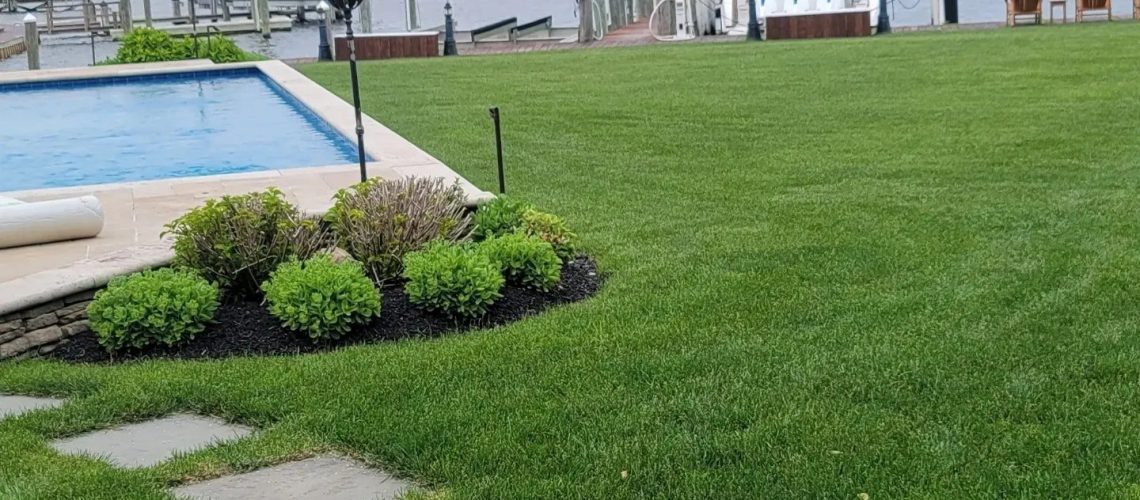

After grading or leveling your yard, bare topsoil needs to be seeded, lightly fertilized, and kept consistently moist to establish new grass. The key steps are choosing the right seed mix, preparing the soil surface, and timing the application correctly so seed makes solid contact with the ground and germinates evenly.
A homeowner in the Port Jefferson Station area recently called us after having both their front and back yards leveled. They were left with exposed topsoil throughout the yard and needed guidance on seeding and getting the lawn back to a healthy state. It’s one of the most common situations we see after any grading project.
At Making Solid Ground Lawn Care, we handle this exact type of lawn restoration regularly. Here’s what the process actually looks like from start to finish.
Why Is Bare Topsoil Such a Problem After Leveling?
Exposed topsoil is vulnerable to erosion, compaction, and weed invasion if it isn’t seeded quickly. Rain will wash it. Wind will dry it out. And weeds will find it before your grass does.
The longer bare soil sits unaddressed, the harder it becomes to establish a clean, even lawn. Acting soon after grading is done gives you the best shot at thick, healthy turf growth.
What Does the Seeding Process Look Like for a Freshly Graded Yard?
Proper seeding after grading involves light raking to loosen the top layer, spreading the right seed variety for your sun and soil conditions, applying a starter fertilizer, and keeping the area watered consistently until germination takes hold.
Here’s a general overview of the steps we follow:
- Lightly rake or loosen the soil surface so seed can make direct contact with the ground
- Select a grass seed blend suited to your yard’s sun exposure and soil type
- Apply a starter fertilizer to give seedlings the nutrients they need early on
- Spread seed evenly, avoiding over-seeding which can cause overcrowding
- Keep the seeded area consistently moist until germination is well underway
Skipping any of these steps usually means patchy results. Seed that doesn’t contact soil won’t germinate. Seed without starter fertilizer gets off to a slow start. It all works together.
Should You Also Aerate When Seeding After Grading?
In most cases, aeration is not necessary immediately after grading because the soil has already been disturbed and loosened during the leveling process. However, if portions of your yard were left compacted or if the existing lawn edges are thin, aeration alongside overseeding can significantly improve results in those areas.
Our team evaluates each yard individually. During an estimate visit, we’ll look at soil conditions across the whole property and recommend aeration only where it will actually make a difference. You can learn more about what we offer on our Lawn Care Services page.
Does It Matter What Time of Year You Seed After Grading?
Yes, timing matters a lot. For lawns in the Long Island area, late summer into early fall is generally the ideal window for seeding cool-season grasses like tall fescue or Kentucky bluegrass. Soil temperatures are warm enough for germination but the heat stress of summer is fading.
Spring seeding can also work, but you have a shorter window before summer heat and drought pressure arrive. If your grading work just finished, don’t wait on getting seed down. The sooner you restore ground cover, the better.
Frequently Asked Questions
Can I seed over bare topsoil without adding anything to it?
You can, but results will be inconsistent. A starter fertilizer gives new seedlings a nutritional boost during the critical early growth stage. Lightly raking the surface first also helps seed settle in rather than sitting on top of hard or crusted soil.
How long does it take for new grass seed to fill in bare areas?
Germination typically begins within one to three weeks depending on seed variety, soil temperature, and how consistently the area stays moist. Full coverage and a lawn that looks established takes longer. Patience and proper watering make the biggest difference.
What if some spots still don’t fill in after the first seeding?
Spot reseeding is normal. Uneven germination happens for a variety of reasons including foot traffic, birds, or dry patches. A follow-up application to stubborn bare areas is a standard part of the process and nothing to worry about.
Want to learn more about our team and how we approach lawn restoration projects? Find out more about our background and experience here.
Ready to Restore Your Lawn in Coram, NY?
If you’ve recently had your yard graded or leveled and you’re staring at bare topsoil, we’re here to help. We serve homeowners throughout Coram, NY and the surrounding Long Island area with lawn seeding, fertilization, and full restoration services.
Contact us today to schedule a free estimate and we’ll put together a plan to get your lawn growing the right way.