

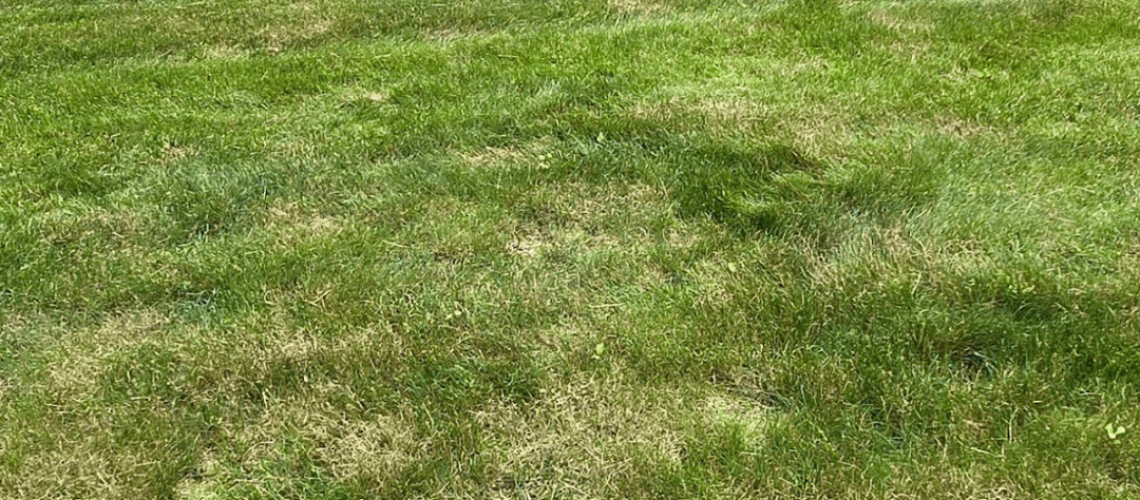

New grass turns yellow most often because of overwatering, underwatering, a nutrient deficiency, or a fungal infection. Each cause has different visual clues, and identifying the right one early is the key to saving your lawn before the damage spreads.
A homeowner in Coram, NY recently called us after noticing her brand new lawn had started turning yellow. She said it looked beautiful at first, and then things went downhill fast. She was not sure if it needed a treatment, a fertilizer, or something else entirely.
It is a more common situation than most people think. New grass is actually more vulnerable than established turf because its root system has not had time to stabilize. At Making Solid Ground Lawn Care, we see this type of issue regularly, and there are a handful of causes that show up again and again.
What Are the Most Common Reasons New Grass Turns Yellow?
The most common culprits are watering problems, low nitrogen, and lawn fungus. Here is how to start narrowing it down.
- Overwatering: Soggy soil suffocates roots and creates the perfect environment for fungal growth. If the ground feels wet and spongy most of the time, this is likely your issue.
- Underwatering: New grass needs consistent moisture to establish roots. If the soil dries out too quickly between waterings, the grass will stress and yellow.
- Nitrogen deficiency: Nitrogen is what keeps grass green. New lawns installed with sod or seed often need a starter fertilizer to give them the nutrients the soil may not already have.
- Lawn fungus: Fungal diseases can spread quickly and often appear as yellow or brown patches with irregular shapes. They tend to show up when there is too much moisture combined with warm temperatures.
- Soil pH imbalance: If the soil is too acidic or too alkaline, your grass cannot absorb nutrients properly even if they are present.
The tricky part is that some of these look similar on the surface. That is why a proper diagnosis matters before you start applying anything to your lawn. Our lawn care services include on-site evaluations to identify exactly what is going on before recommending a treatment plan.
How Can You Tell If It Is a Fungus Problem?
Fungal infections typically show up as patches that spread outward in a ring or irregular shape, and the grass blades may look matted, slimy, or have a powdery coating.
Compare that to a nutrient issue, where the yellowing tends to be more uniform across a larger area. With a watering problem, you might notice the yellowing follows a pattern based on where water pools or drains.
If you are unsure, do not guess and apply a random product. The wrong treatment can make things worse. A fungicide applied to a lawn that simply needs nitrogen is a wasted effort and can sometimes stress the grass further.
What Should You Do If Your New Lawn Is Turning Yellow in Coram, NY?
The smartest first step is to have someone take a look in person before applying any product to your lawn. Soil conditions, drainage patterns, and local weather in Coram all play a role in what is actually happening.
While you wait for a professional assessment, here are a few things you can do right now:
- Check your watering schedule and adjust if you are watering every single day.
- Look for any standing water or areas where the ground stays wet for hours after watering.
- Inspect the grass blades closely for any unusual texture, spots, or coating.
- Note whether the yellowing is patchy or widespread, since that clue alone narrows things down significantly.
Our team has deep experience diagnosing lawn problems across Long Island. You can learn more about our background and approach on our about page.
Frequently Asked Questions
Can yellow grass turn green again?
Yes, in most cases it can recover once the underlying cause is addressed. The sooner you catch it, the better the outcome. New grass that has been yellow for a long time may have root damage that takes longer to bounce back from.
Should I fertilize yellow new grass?
Not until you know why it is yellow. If the cause is fungal, adding fertilizer can actually make the fungus worse. Get a proper diagnosis first, then follow a treatment plan that fits the actual problem.
How long does it take for new sod or seed to fully establish?
Most new lawns need several weeks to several months to fully root in, depending on the grass type and conditions. During that window, they are more sensitive to stress from heat, drought, and disease.
Get a Free On-Site Estimate in Coram, NY
If your new lawn is turning yellow and you are not sure what is causing it, do not wait. The longer a fungal or nutrient problem goes untreated, the harder it becomes to reverse. Contact us to schedule an on-site estimate and let our team take a look before the problem gets worse.